
In India, Rice is a staple food in many households. But when it comes to selecting the right kind, people often think “Should I go for Basmati rice or Non-basmati rice”? Even if both of them serve the same purpose, they are not same in terms of texture, use, nutritional value and aroma.
Let’s know about it in simple and practical way so that you can make the best choice for your kitchen.
What is Basmati Rice?
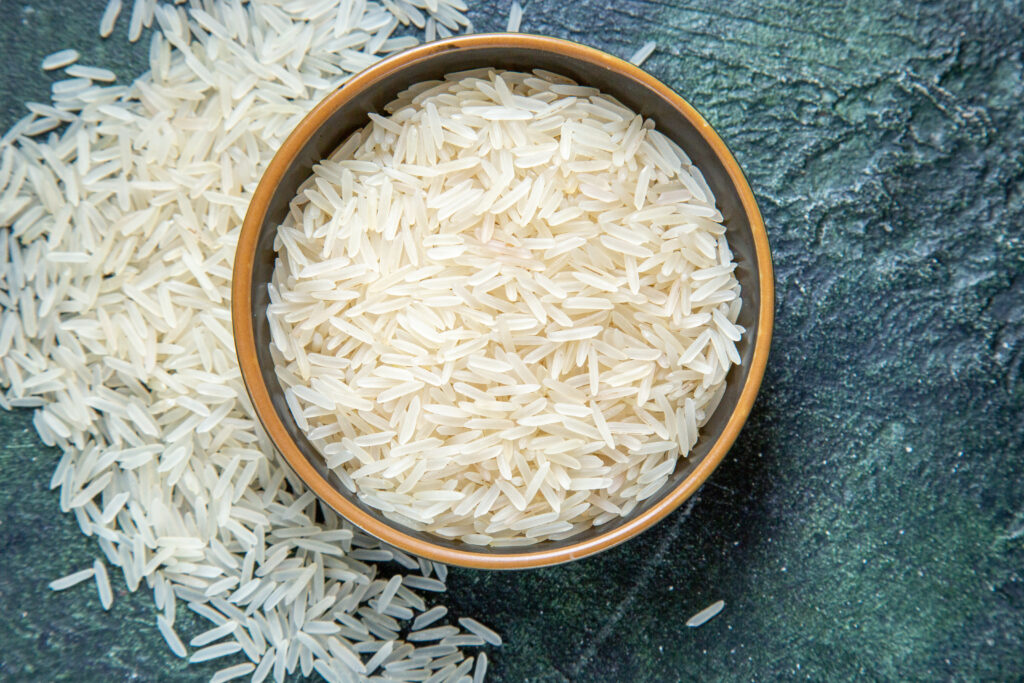
Basmati rice is a premium long grain rice variety mainly cultivated in Himalayan regions of India. It is popular for its unique aroma, long grains and light texture. When basmati rice is cooked, the grains remains separated and expand in length instead of width, offering the signature light and non-sticky feel. This is the reason, it is widely used in dishes such as biriyani, pulao and several other festive meals.
What is Non-Basmati Rice?
Non-Basmati rice refers to other varieties of rice other than Basmati. This involves some of the popular kinds such as Sona Masoori and IR64. These varieties are short, medium or long grain with soft, slight sticky texture when cooked. Non-basmati rice is mostly used for daily meals because of its versatility and affordability.
Key Differences between Basmati and Non-Basmati Rice
Aroma and taste
One of the major difference is taste. Basmati rice has a natural nutty and floral aroma, frequently described as premium and rich. On the other hand, non-basmati rice has a very mild and neutral smell, that makes it suitable for various dishes but without any signature aroma.
Structure of grain and texture
Basmati rice has long, slender grains that after cooking becomes fluffy and separate. Non-basmati rice varies in size and is mostly soft and sticky, that works well for several dishes such as curd rice, khichdi and several other daily meals.
Nutritional value
Both basmati rice and non-basmati rice offers carbohydrates, but there are some differences:
Basmati rice has low glycemic index, which implies it releases energy slowly and assists in better control of sugar.
It also contains more fiber, mainly in its brown form.
Non-basmati rice have high GI, which can result in quick spikes in blood sugar levels.
But brown varieties of both kinds are healthy because of high fiber content and nutritional value.
Cooking time and method
Basmati rice needs more care while cooking. It is mostly soaked and cooked with water in precise ratios for maintaining its structure.
Non-basmati rice is easy and quick to cook, which makes it ideal for using on daily basis and quick meals.
Price and Availibility
Basmati rice is expensive as it needs specific conditions for growing and aging processes.
Non-basmati rice is affordable and is available broadly, which makes it one of the best choices for daily consumption.
Best uses in cooking
Basmati rice is best for biriyani, fried rice, pulao and some special occasions.
Non-basmati rice is best for making daily meals, dosa batter, lemon rice and some comfort foods.
Which one you should select?
The answer is based on your requirements:
- Select basmati rice if you need premium quality, aroma and good presentation for distinctive dishes.
- Select non-basmati rice if you are looking for affordability, suitability and daily usability.
From health point of view, basmati rice is often considered a good option because of its low glycemic index and high content of fiber.
Conclusion
Both basmati rice and non-basmati rice have their own advantages. While basmati is known for its elegance, health benefits and aroma, non-basmati rice is known for its flexibility and affordability.
Rather than selecting one over the other, most of the households use both – basmati for some special occasion and non-basmati for daily meals.
Are You Searching For Superior Quality Basmati Rice?
If you are looking for premium quality basmati rice that offers authentic aroma, long grains and premium taste, it’s vital to select a trustworthy supplier. Diyan Rice Industries Pvt ltd offers wide variety of superior quality basmati rice, carefully sourced and processed for maintaining consistency and quality. Whether a retailer, distributor or a business owner, their offerings meets not only domestic standards fir also export standards. This makes sure you get the best value for every grain.