
This is one of the most famous rice dishes worldwide, as it has a great aroma, spices and how well-cooked rice is with it i.e., Biryani. The right rice is just as vital; this can change the entire landscape even with spices and cooking methods being significant. Selecting the right variety of basmati rice is necessary if you crave both the authentic taste and presentation in your biryani.
Types of Basmati Styled in Market There are millions types available in the market & most people do not know how to choose best basmati rice for biryani. That there are things which can make or break your cooking, and if you know them then it will reflect on the final product of your dish.
In case of biryani, you are taught to utilize only Basmati rice.
Basmati rice is wonderful for biryani because of its longer grains, aroma plus fluffy texture after cooking. If cooked correctly, the basmati type of rice will be fluffy and separate like normal varieties which tend to stick together.
And basmati rice has its own fragrance which means the spices with biryani combined naturally to give taste and aroma of an ancient recipe.
Check the Grain Length
Grain length is one of the key things to look out for when selecting basmati rice on your next biryani preparation. The best long grain basmati rice is particularly good, because basmati puffs and expands massively as it cooks, this provides that unique look of the biryani.
The second type of flour to be imported into India is long grain rice. Short Grains / Broken Grains — They can affect both above aspects.
opt for extra-long grain basmati rice when buying for optimal results.
Look for Aged Basmati Rice
Traditionally, the elders like the aged basmati rice are used in biryani because it is less cooked and powerful to absorb flavors. In contrast, old age increases the mellowness of rice grains as it makes them drier during storage and helps to make them breakable after cooking.
When it comes to making biryani, normally 1- or 2-year-old premia is considered the best quality available rice in basmati. Freshly harvested rice can be quite sticky or even mushy when cooked.
Most of the premium brand packaging would mention age where something good could be more easily found.
Pay Attention to Aroma
The aroma of basmati rice is one of the reasons behind its uniqueness. Basmati rice has a natural sweet, nutty smell that becomes more pronounced when the rice is cooked.
Before you purchase the rice, if possible, smell it. A strong, natural aroma is another good indicator of excellent quality. Artificially scented rice may have no real flavor or cooking ability.
Choose the Right Rice Variety
Basmati rice varies in each kind available on the markets. Grains are soft for some grains, and firm grains have longer lengths in certain cases.
Popular choices for biryani include:
- Traditional basmati rice
- 1121 basmati rice
- Sella basmati rice
- Steam basmati rice.
One of the most popular biryanis, 1121 basmati rice is known for its long grains and cooking quality.
Check for Purity and Quality
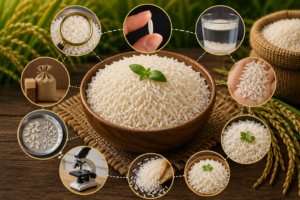
The Top-quality basmati rice must contain few broken grains, stones, impurities. Be careful whilst buying always.
So better brands are usually cleaner and more consistent rice, but they also have higher quality standards. Being responsible for the better flavor, texture and cooking will not constitute solely the best choice of companies to lean on.
Packaging also matters. The sealed well protects against freshness, aroma, and grain quality.
Premium Quality Rice Suppliers
For those looking for premium-quality basmati rice for authentic biryani preparation, Diyan Rice Industries Pvt ltd offers a wide range of carefully processed and aromatic rice varieties suitable for both household and commercial cooking. Their long-grain basmati rice is known for excellent elongation, rich fragrance, and fluffy texture, making it an ideal choice for traditional biryani recipes.
Recognize The Difference Between Sella and Steam Rice
Some of the more well-known varieties are Sella basmati rice and steam basmati rice, both with a purposefully softer texture in inverse proportions to their cooking methods, often influencing how they are served with biryani.
Par-boiling of Sella rice, after milling, gives far tougher grain texture and high kernel separation, even easier preparation. For large cooking like restaurant style biryani is highly recommended as the grains hold well.
While steam rice is articulated to be softer and quicker to prepare. However, this is a common feature in homemade style biryani recipes.
These dissimilarities enable you to pick rice on your cooking.
Test Cooking Quality
It is advisable that when you are trying a new rice brand, cook a small portion of it as trial before purchasing it in bulk. This allows you to evaluate:
- Grain elongation
- Aroma after cooking
- Texture and softness.
- Grain separation
To be good, biryani requires the basmati rice to keep its fluffy structure and not clump together with ghee so that it gets all the aromas and absorbs spices without losing any of its beautiful scent when integrated with meat.
Storage Also Matters
If basmati rice is not stored correctly, even the best quality of basmati will lose its aroma and texture. Rice should be stored in a sealed containing away from direct sunlight.
Rice gets smelly, do not leave it in moisture or direct sunlight.
Proper storage of dry beans will help keep them fresh and maintain their cooking quality for longer.
Common Mistakes to Avoid
- While selecting basmati rice, most of the people simply look for price. Yet cheap rice tends to be broken or a blend of poorer grades that will ruin the final dish!
- Skip the Soak: The next mistake is skipping the soak. Soaking of raw and parboiled rice grains before cooking increases the slenderness ratio and reduces breakage, therefore textile industries prefer to purchase basmati rice as it provides a higher yield in terms of volume.
- As well as having ended up being super fluffy, adding way too much water can forfeit the appearance of rice generating it to be mushy.
Conclusion
The first step for making a good biryani is to select the finest basmati rice. Aspects like grain length, ageing, fragrance etc. and purity of rice varieties play a contributing role but at the end its all at stake in its mammoth form.
An understanding of the types of regular rice ensures that you can source grade A basmati rice from trusted sellers that will elevate your biryani to another dimension when it comes to taste, consistency, and appearance. If you are into only home cooking or also have commercial purpose, then the right rice matters a lot and plays a significant role in making biryani for memorable time solution.